China has introduced a new “ASEAN Visa” for citizens of the ten Association of Southeast Asian Nations (ASEAN) member states and observer Timor-Leste, Chinese foreign ministry spokesperson Lin Jian announced at a press briefing on 3 June.
Lin explained that the visa will be available to business personnel from these countries, along with their spouses and children, allowing multiple entries over five years and stays of up to 180 days.
The move builds on China’s existing visa exemption deals with countries like Singapore, Thailand, and Malaysia, as well as the “Lancang-Mekong Visa” for Mekong River nations, aiming to boost regional travel and cooperation.
The announcement came as China began granting unilateral visa-free entry to citizens of Brazil, Argentina, Chile, Peru, and Uruguay on 1 June, expanding such access to 43 countries in total. China has also recently opened visa-free travel to all Gulf Cooperation Council nations.
According to Lin, these policies reflect China’s commitment to openness and fostering global cooperation.
In the first quarter, over 9 million foreigners entered China, up more than 40 percent year on year, while over 18,000 foreign-invested firms were established in the first four months, a 12.1 percent increase.
Looking ahead, Lin said China plans to further improve its entry policies and expand the list of visa-free countries. He noted that the aim is to enable more international visitors to benefit from China’s improved product supply, broader consumption choices, and better services.
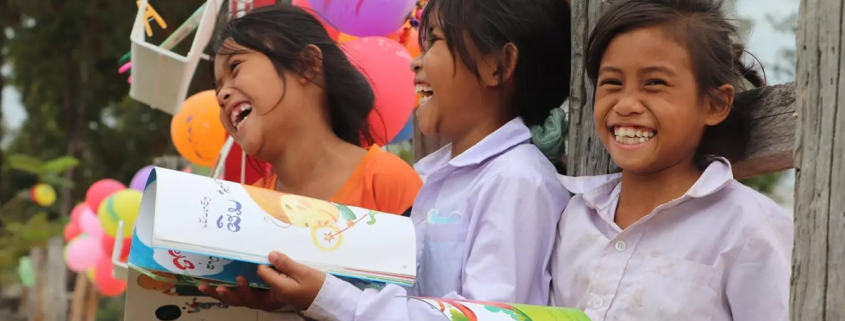
Vietnam will begin offering Lao as one of eight foreign languages in its general education curriculum, starting with a pilot program in schools located near the Laos–Vietnam border.
Minister of Education and Training Nguyen Kim Son announced the initiative during a meeting with Lao Ambassador Khamphao Ernthavanh on 2 June. He stated that the government is currently preparing the necessary conditions to include Lao among the foreign languages taught in general education schools across Vietnam, alongside English, Russian, French, Chinese, German, Japanese, and Korean.
The pilot program will initially focus on schools in provinces along the border and will expand as more qualified Lao language teachers become available.
Minister Son expressed hope that Laos would support the initiative by providing textbooks, helping train teachers, and assisting with curriculum development—particularly materials that highlight the special historical ties between the two countries.
During the meeting, Vietnam also proposed that Laos consider including Vietnamese as an optional subject in its high school graduation exam. It further suggested the use of Vietnamese textbooks in schools where appropriate.
Ambassador Ernthavanh welcomed the proposals and expressed appreciation for Vietnam’s continued support in expanding educational opportunities for Lao students. She also emphasized the importance of stronger school management and more extracurricular activities to enhance the student learning experience.
According to the Lao Embassy in Hanoi, nearly 11,000 Lao students studied in Vietnam during the last academic year.
https://www.tourismlaos.org/wp-content/uploads/2025/06/Vietnam-to-Introduce-Lao-Language-in-General-Education-Near-Border-Areas-1.jpg6271200Sylivanla Vongphachanhhttps://www.tourismlaos.org/wp-content/uploads/2025/05/Lao-Simply-Beautiful-.webpSylivanla Vongphachanh2025-06-16 05:44:002025-06-05 17:46:11Vietnam to Introduce Lao Language in General Education Near Border Areas
The Nambeng Coffee Cooperative (NCC) and Bolaven Story Coffee have claimed top honors at the Lao Green Coffee Competition 2025, held from 15 to 22 May on the Bolaven Plateau in Pakse district, Champasak Province.
NCC secured first place in the Arabica category with a score of 87.68, while Bolaven Story Coffee led the Robusta category with a score of 85.98.
Organized by the Lao Coffee Association, the competition featured two main categories, Arabica and Robusta. Participants could submit coffees processed through a variety of methods, including semi-washed/washed, sweet process, natural process, and experimental fermentations.
This year, around 80 samples were submitted: 68 Arabica and 12 Robusta. The judging panel included experts from Laos and neighboring countries such as Vietnam, Thailand, Cambodia, the Philippines, Singapore, South Korea, Malaysia, and the United States.
NCC President Phouthone Sinthapaseuth
“Winning this competition is a proud moment for our cooperative and our village,” said NCC President Phouthone Sinthapaseuth. “We hope this recognition will open more opportunities for us, connecting with new buyers, expanding into international markets, and inspiring other farmers in our community.”
When asked how the cooperative first became involved in the Lao Green Coffee Competition, Phouthone explained that it all began in 2022, when a colleague from the Lao Coffee Lovers group and the Lao Coffee Association encouraged them to take part. Initially uncertain whether their coffee met the required standards, he was hesitant.
However, with support and guidance, he gained the confidence to give it a try. Since then, the competition has become a valuable learning experience for the team, helping them deepen their understanding of specialty coffee standards and continuously improve their processing methods year after year.
Producing competition-grade coffee hasn’t come easy. Phouthone highlighted the biggest challenge as maintaining consistency and quality across the production chain, from harvest to drying, especially when working with the Yellow Caturra Natural variety, which requires meticulous care.
According to Phouthone, climate change has only added to the challenges. Weather patterns have become increasingly unpredictable, with irregular rainfall and rising temperatures disrupting flowering and harvest cycles.
These shifts have introduced new risks to maintaining the quality of their coffee.
“After this, we realize there still needs to be improvement in processing techniques, better fermentation control, and enhancing our team’s skills. We also want to look for ways to adapt our farming methods to cope with climate change, like testing new shade tree systems and adjusting harvest schedules,” he said.
Phouthone encouraged other coffee producers to take part in future competitions, emphasizing the value of expert feedback, networking opportunities, and the shared goal of raising the global profile of Lao coffee.
“Don’t be afraid to challenge yourself. Even if you don’t win, you’ll gain valuable feedback from professional judges, which can help you improve your techniques. It’s also a way to build connections with other farmers and buyers, and together, we can raise the standard of Lao coffee for the world market,” he said.
Using Coffee Quality Institute (CQI) standards, the judges scored coffee on fragrance, aroma, flavor, sweetness, acidity, body, and aftertaste, using a 100-point scale, Sengkham Inthiratwongsy, one of the event organizers and judges, explained.
Scores below 80 indicated regular quality, 80–89.99 were considered specialty, and scores of 90 or above were classified as premium coffee.
Samples were submitted between 15 and 16 May. Judges and technical staff received calibration training on 17 and 18 May, followed by initial evaluations on 19–20 May and final assessments with public cuppings on 21–22 May.
https://www.tourismlaos.org/wp-content/uploads/2025/06/Lao-Green-Coffee-Competition.jpg6271200Sylivanla Vongphachanhhttps://www.tourismlaos.org/wp-content/uploads/2025/05/Lao-Simply-Beautiful-.webpSylivanla Vongphachanh2025-06-13 05:42:002025-06-05 17:44:02Lao Coffee Cooperatives Take Top Honors at Bolaven Plateau Competition
Timor-Leste will be accepted as the 11th full member of the Association of Southeast Asian Nations (ASEAN), Malaysian Prime Minister Anwar Ibrahim announced.
According to Malaysia’s national news agency, Anwar said ASEAN leaders had reached a consensus to support Timor-Leste in completing the necessary steps for full membership in the regional bloc.
The decision, he stated, is for Timor-Leste to be officially admitted by the ASEAN Summit in October, pending the completion of one or two key reforms, particularly in the economic sphere. Anwar made the announcement during a press conference at the conclusion of the 46th ASEAN Summit on 27 May.
Timor-Leste first applied for ASEAN membership in 2011 and was granted observer status in 2022, allowing participation in high-level meetings. Full membership, however, has been under deliberation at the leadership level in recent summits.
Timor-Leste’s Prime Minister, Xanana Gusmão, attended the May Summit in Malaysia.
During the summit, Malaysian PM Anwar noted that ASEAN leaders have tasked ministers and senior officials with finalizing procedural steps for Timor-Leste’s admission by the upcoming 47th ASEAN Summit in October. They have also been directed to expedite negotiations on key economic agreements.
The statement indicated that they had tasked the ASEAN Coordinating Council, with the support of all relevant ASEAN Sectoral Ministerial Bodies and the ASEAN Secretariat, to extend the necessary support to facilitate Timor-Leste’s integration into the ASEAN community.
Starting 1 June, Japanese travelers will be able to stay in Laos without a visa for up to 30 days, doubling the previous limit of 15 days, as announced by Lao President Thongloun Sisoulith during his visit to Japan on 29 May.
The extension was formalized during a meeting between President Thongloun and Japanese Prime Minister Ishiba Shigeru, held to commemorate the 70th anniversary of diplomatic relations between Laos and Japan. The occasion reinforced Laos’s decision to strengthen ties through expanded travel privileges.
Laos has offered visa-free entry to Japanese citizens since 1 January 2007, allowing ordinary passport holders to visit for up to 15 days without a visa. For longer stays, travelers were previously required to obtain a visa in advance.
Additionally, Japanese citizens holding official or diplomatic passports have enjoyed a longer visa exemption period of up to 90 days, under a bilateral agreement that came into effect on 1 April 2015.
Japan was not among the countries granted special visa exemptions under the “Visit Laos Year 2024” campaign, which included Thailand, China, Taiwan, and several European nations. Those temporary exemptions concluded on 1 January 2025.
Beyond tourism, the two leaders expressed their commitment to enhancing cooperation in energy and decarbonization under the Asia Zero Emission Community (AZEC) initiative. A summit on this initiative was held last year in Laos.
President Thongloun and Prime Minister Ishiba also reaffirmed their intention to strengthen governance in Laos, recognizing Japan’s long-standing support for the drafting and implementation of the Lao Civil Code and other legal frameworks.
https://www.tourismlaos.org/wp-content/uploads/2025/06/Laos-Extends-Visa-Free-Stay-for-Japanese-Tourists-to-30-Days.jpg6271200Sylivanla Vongphachanhhttps://www.tourismlaos.org/wp-content/uploads/2025/05/Lao-Simply-Beautiful-.webpSylivanla Vongphachanh2025-06-11 05:36:002025-06-05 17:38:12Laos Extends Visa-Free Stay for Japanese Tourists to 30 Days
Laos has officially approved DanceSport as a medal event at the Lao 12th National Games, marking the sport’s debut in the country’s competition.
The organizing committee officially approved the inclusion of DanceSport on 23 May, following years of advocacy and the recent establishment of the Lao DanceSports Federation (LADSF).
The committee cited the sport’s readiness in terms of trained judges, coaches, athletes, officials, and available competition venues.
The competition will award three gold medals across individual Breaking battles (1 vs 1 format), couple category, and team category, with 6-8 members per team. The 12th National Games will be held from 15 to 25 November, in Vientiane, featuring a total of 34 sports.
Dance Sport is gaining global popularity among youth. At the Paris 2024 Olympics, Breaking or Breakdancing (a style under DanceSport) became an official Olympic medal sport for the first time.
https://www.tourismlaos.org/wp-content/uploads/2025/06/WORDPRESS-PHOTO-FORMAT-1-5.jpg6271200Sylivanla Vongphachanhhttps://www.tourismlaos.org/wp-content/uploads/2025/05/Lao-Simply-Beautiful-.webpSylivanla Vongphachanh2025-06-10 05:32:002025-06-05 17:33:48DanceSport to be Included in National Games Medal Competitions
On 26 May, Mahosot Hospital in Vientiane Capital renewed its partnership with Fuwai Cardiovascular Hospital of Kunming, China, to enhance cardiac care in Laos.
The renewed agreement, covering 2025 to 2029, aims to strengthen cardiology services at Mahosot Hospital by focusing on staff training, medical technology exchange, and equipment support.
According to Lao State Media, the collaboration will help improve patient care, support disease prevention efforts, and advance medical research. Special attention will be given to pediatric heart surgeries, particularly for children born with congenital heart conditions.
Souxath Vongphachanh, Director General of Mahosot Hospital, said the new MoU continues a partnership that began in 2019 but was paused due to the COVID-19 pandemic.
This latest agreement comes in the context of broader cooperation between Laos and China in the healthcare sector.
On 12 October 2024, the Lao government inaugurated a new building for the hospital, designed to provide state-of-the-art medical care, utilizing advanced technology to benefit patients in Laos while offering convenience for healthcare providers, as part of the Lao-China cooperation “Belt and Road” initiative.
https://www.tourismlaos.org/wp-content/uploads/2025/06/Mahosot-Hospital-New-Building.jpg6271200Sylivanla Vongphachanhhttps://www.tourismlaos.org/wp-content/uploads/2025/05/Lao-Simply-Beautiful-.webpSylivanla Vongphachanh2025-06-09 05:29:002025-06-05 17:31:42Vientiane, Kunming Hospitals Partner to Boost Cardiac Care in Laos
From 24 to 25 May, Japan celebrated the Laos Festival 2025 at Yoyogi Park in Tokyo, marking the 70th anniversary of diplomatic relations between Laos and Japan. With the theme “Laos You Can Visit in a Day,” the event offered a cultural experience that allowed Japanese visitors to immerse themselves in Lao traditions, cuisine, music, and language.
Designed as a “visitor-participation Laos festival,” the two-day event featured a wide range of interactive activities.
Highlights included the traditional Baci ceremony, where a Lao monk tied sacred threads around visitors’ wrists while offering blessings. Visitors also had the chance to join a Lao dance workshop and take part in Lao language lessons.
One of the most popular attractions was a parade recreating the Lao Rocket Festival, held three times each day, which welcomed public participation.
The Lao Rocket Festival. (Laos Embassy Photographer/ Yuzaburo Era)
The festival concluded with a special prayer by a Lao monk during the grand finale, wishing happiness and prosperity to all attendees.
Food and drink booths showcased Lao culinary delights rarely found in Japan. Attendees enjoyed signature dishes alongside Beer Lao, which has won a gold medal at the World Beer Competition. A product fair featured a range of Laotian goods, including silk skirts and shirts, herbal teas, coffee, handmade crafts, and ethnic clothing.
Entertainment was a central part of the festival, with live performances by artists from both Laos and Japan. The main stage featured traditional dances performed by the Lao government troupe and musical sets using ethnic instruments such as the khene. A satellite stage hosted additional cultural performances, including Laotian songs and interactive shows for children.
Families were also catered for with a “kids’ corner,” which included a play area, cultural crafts, and eco-bag making activities. The festival placed strong emphasis on environmental consciousness, with cleaning and beautification activities led by volunteers, including students from Sakura International High School. The event’s Eco Station promoted sustainability throughout the grounds.
As both countries mark 70 years of diplomatic ties, the event served as a platform to promote mutual understanding and closer people-to-people connections.
https://www.tourismlaos.org/wp-content/uploads/2025/05/Laos-Festival-in-Japan-2025.jpg6271200Sylivanla Vongphachanhhttps://www.tourismlaos.org/wp-content/uploads/2025/05/Lao-Simply-Beautiful-.webpSylivanla Vongphachanh2025-06-06 11:35:012025-05-27 12:11:46Laos Festival 2025 Brings Cultural Celebration to Tokyo
Princess Aiko of Japan will visit Laos in November, marking her first official overseas engagement. The visit commemorates the 70th anniversary of diplomatic relations between Japan and Laos, which were established in 1955.
During her trip, Princess Aiko is expected to meet with Lao President Thongloun Sisoulith and attend a commemorative ceremony. The exact date of her visit has not yet been announced.
The daughter of Emperor Naruhito and Empress Masako, Princess Aiko, currently works at the Japanese Red Cross Society and has been gradually taking on more public duties.
While this will be her first official diplomatic trip abroad, she has previously traveled overseas for personal and educational purposes. These include a family trip to the Netherlands in 2006 and a summer study program in the United Kingdom in 2018.
The Japanese Imperial Family has made three previous visits to Laos.
In 1999, Prince and Princess Akishino visited on a goodwill mission. In 2010, Prince Akishino returned with Princess Mako for a cultural and research-focused visit. In 2012, then-Crown Prince Naruhito (now Emperor) visited to observe development projects and meet with Lao leaders.
https://www.tourismlaos.org/wp-content/uploads/2025/05/Japan-prince-Laos.jpg6271200Sylivanla Vongphachanhhttps://www.tourismlaos.org/wp-content/uploads/2025/05/Lao-Simply-Beautiful-.webpSylivanla Vongphachanh2025-06-05 10:57:002025-05-26 10:59:45Japan’s Princess Aiko to Visit Laos in First Official Overseas Trip
The iconic That Dam, or Black Stupa, one of Vientiane’s most culturally significant landmarks, is set to undergo a major restoration as part of a new preservation initiative led by the Lao government.
Authorities from Chanthabouly district convened on 14 May to assess the feasibility of restoring the ancient stupa, launching a comprehensive survey to identify areas in need of repair.
The restoration effort will be a collaborative venture between the public and private sectors, with the Vientiane Capital Administration spearheading the initiative.
The Department of Culture, under the Ministry of Information, Culture, and Tourism, will work alongside the Buddhist Fellowship Organization of Laos to compile an official historical report on the monument.
Meanwhile, private entities will provide crucial funding to support the restoration.
Located near the intersection of Setthathirath Road and Sithane Road, just a short walk from the American Center Vientiane, That Dam is one of the city’s most easily accessible landmarks. Its dark weathered exterior and mysterious origin have long intrigued both locals and visitors.
In Lao, “That” means a structure that holds relics of the Buddha, and “Dam” means black. No one knows exactly when the stupa was built, but experts think it was built in the 16th century.
A local legend adds mystery to the site. People say a seven-headed Naga, a mythical water serpent in Buddhist stories, once guarded the stupa.
Long ago, the stupa was covered in gold. But during the Siamese-Laotian War in the 1820s, Siamese soldiers took the gold. Since then, the stupa has remained dark colored.
The upcoming renovation will help protect the old structure. It will also attract more tourists and help people learn more about Vientiane’s cultural heritage, the authorities believe.
Further details about the restoration timeline and budget allocation are expected to be announced in the coming weeks.
https://www.tourismlaos.org/wp-content/uploads/2025/05/IMG_1537.jpg6271200Sylivanla Vongphachanhhttps://www.tourismlaos.org/wp-content/uploads/2025/05/Lao-Simply-Beautiful-.webpSylivanla Vongphachanh2025-06-04 10:55:002025-05-26 10:57:23Vientiane Discusses Restoration Plan of Historic Black Stupa