
Lao Government Strengthens Rubber Industry Management with New Decree
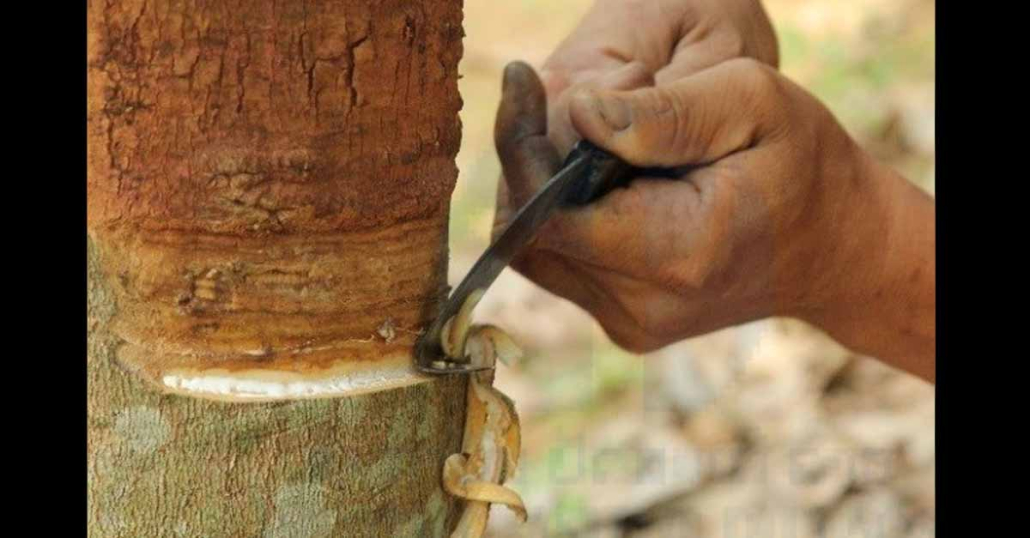
In a renewed effort to regulate the rapidly expanding rubber industry and address growing concerns over forest loss, the Lao government has issued a new decree aimed at ensuring the sustainable management of rubber production.
The decree, which outlines strict guidelines for rubber plantations, data collection, and rubber processing, seeks to balance economic growth with environmental preservation.
The document, signed on 26 February, mandates that all rubber plantations and activities within Laos adhere to principles that prioritize environmental protection, community welfare, and sustainable practices. It provides clear measures for the management of rubber resources, including registration of plantations, proper certification, and the prevention of illegal practices such as land clearing in protected areas.
Economic Development vs. Environmental Protection
While rubber has become a critical economic driver for Laos, the expansion of plantations has raised alarms due to deforestation and the displacement of indigenous communities.
According to a 2022 Kyoto University study, Laos had then approximately 300,000 hectares of rubber plantations, nearly half of which were controlled by foreign companies, primarily Chinese and Vietnamese. These plantations have encroached on forested areas, threatening biodiversity and leaving local communities vulnerable to changes in land tenure and income stability.
The decree establishes a comprehensive framework for rubber activities, including the collection of data on rubber production, tapping, and trade. It also focuses on establishing a Rubber Information System to monitor the industry’s growth and ensure compliance with environmental regulations. The government has also pledged to work with local authorities, agricultural departments, and relevant sectors to enforce these measures and ensure transparency across the industry.
Impact of Rubber Expansion on Local Communities
This move comes amid broader regional concerns about the environmental impact of rubber plantations. In neighboring countries, including Cambodia and Vietnam, similar issues have arisen, as rapid expansion continues to threaten local ecosystems.
The Lao government has taken steps to address these concerns by integrating sustainable land-use policies and increasing awareness about the negative consequences of unchecked rubber cultivation.
For local farmers, rubber has provided a lucrative alternative to traditional farming practices. However, the volatility of rubber prices has left many dependent on the industry, with some facing debt due to the long wait for returns from newly planted trees.
The latest decree aims to address these economic challenges by promoting fair revenue-sharing models, particularly through cooperatives and smallholder farming initiatives.
With ongoing efforts to improve regulatory oversight and increase community involvement in rubber production, Laos may find a path toward a more sustainable rubber industry that benefits both its economy and its environment.
source: https://laotiantimes.com/2026/03/03/lao-government-strengthens-rubber-industry-management-with-new-decree/


